
What Happens If You Don’t Wear Your Retainer?
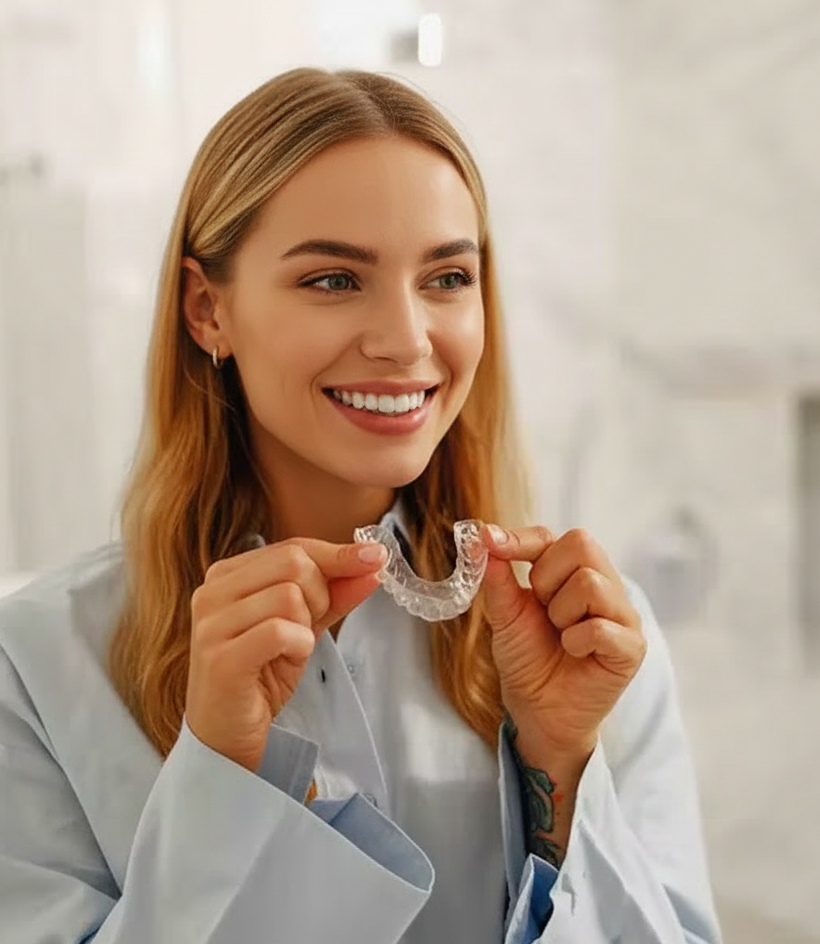
Why Wearing Your Retainer Matters
After completing orthodontic treatment, your retainer plays a critical role in maintaining your results.
Many patients assume their teeth will stay in place permanently—but without consistent retainer use, teeth can gradually shift over time.
Do Teeth Really Move After Treatment?
Yes—teeth naturally want to return to their original position. This is called relapse.
Even after braces or clear aligners, your teeth need time to stabilize in their new alignment. Your retainer helps hold them in place during this process.
What Happens If You Stop Wearing Your Retainer?
If you don’t wear your retainer as directed, you may notice:
- Teeth shifting or crowding returning
- Small gaps reopening
- Changes in your bite
- The need for retreatment in the future
In some cases, even a short break from wearing your retainer can cause noticeable movement.
How Often Should You Wear Your Retainer?
Your orthodontist will give specific instructions, but most patients follow this general guideline:
- Full-time wear immediately after treatment
- Nightly wear long-term to maintain results
Consistency is key to protecting your investment.
Can You Fix Teeth That Have Shifted?
If your teeth have started to move, don’t worry—there are options.
Depending on the severity, treatment may include:
- Wearing your retainer more consistently
- A replacement retainer
- Minor orthodontic adjustments
The sooner you address shifting, the easier it is to correct.
Tips to Keep Your Smile in Place
- Wear your retainer as instructed
- Store it safely when not in use
- Keep it clean and well-maintained
- Replace it if it becomes damaged or lost
Protect Your Results
You’ve already invested time and effort into your smile—your retainer helps protect those results for years to come.
👉 If you’ve lost your retainer or noticed shifting, schedule a consultation today to maintain your smile.